The Silent Acquisition
Empathy is often an acquisition of trauma. In these circumstances, the inability to express oneself through words becomes most pronounced. The very nature of trauma leaves one in a state of vulnerability and insecurity; you find yourself unable to engage through language because language has no relation to how you feel.
It is like sitting in a sauna, looking out at the snow through a window, yet feeling cold on the inside.
Words remain trapped in the emotions that bind them, leaving the individual with no way to communicate on a level that is relatable to those not living within that trauma. In these situations, language is a threat—a danger. It exposes one as seemingly inadequate, allowing that perceived inadequacy to be a reflection of an "un-truth." The real problem is never touched or even recognised; it is masked by the vulnerability and the perceived defensiveness of the individual.
The Sovereign Architecture: The Mind Mechanism
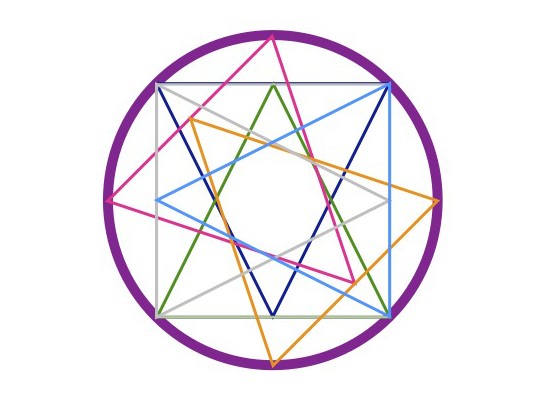
Utilising the Mind Mechanism allows for agency. It provides the individual with a point of internal reference in the privacy of their own thoughts. Here, words are not being drawn from them as a demand or coaxed out for study. These are words chosen by the individual, allowing them a semblance of empowerment when facing the darkest corridors of their own psyche.
This is where the internal geometry meets the external world. It is important to note: this is not a critique of the therapist or the therapeutic process. Therapy is a vital conduit. However, we must recognise that there are open ends to all tunnels. The therapist facilitates the journey, but they are often fighting through an invisible fog toward a space that is unnavigable from the outside. They are aware an issue exists—manifested in behaviour or the circumstances that brought the client to them—but the specific "where" of the issue within the psyche can remain insurmountable without the client’s own internal map.
Beyond the "Tick-Box" Victory
It is only through tools of agency that this space might be reached. Only through self-agency can the patient choose to reveal themselves. Otherwise, the reality of a "result" is never truly known. Without the Mind Mechanism, a patient may learn to cope by presenting exactly what the therapist requires; the therapist ticks boxes of success while the client walks away with victories of masking. These may be functional, but they do not address the underlying architecture or the "open ends" left behind.
Self-agency allows for an honest revealing of the issue and its origin. It allows the individual to show a genuine willingness to engage and to choose an outcome that they themselves require. The Mind Mechanism seeks to build the individual from the inside out, eventually meeting the outer surface of therapy.
The therapist is the first doorway to a greater engagement with the world—a gateway that becomes functional only when the individual uses their own agency to claim the healing being offered.
True healing is not the act of being found by another; it is the sovereign act of constructing a map so precise that you can finally find yourself. The tunnel is open. The mechanism is yours to build.